







Published Fri 10th Apr 2026
In October 2025, Senceive completed a wireless monitoring installation for Alaska Railroad Corporation (ARRC), enhancing its capabilities in avalanche monitoring and year-round rail monitoring.
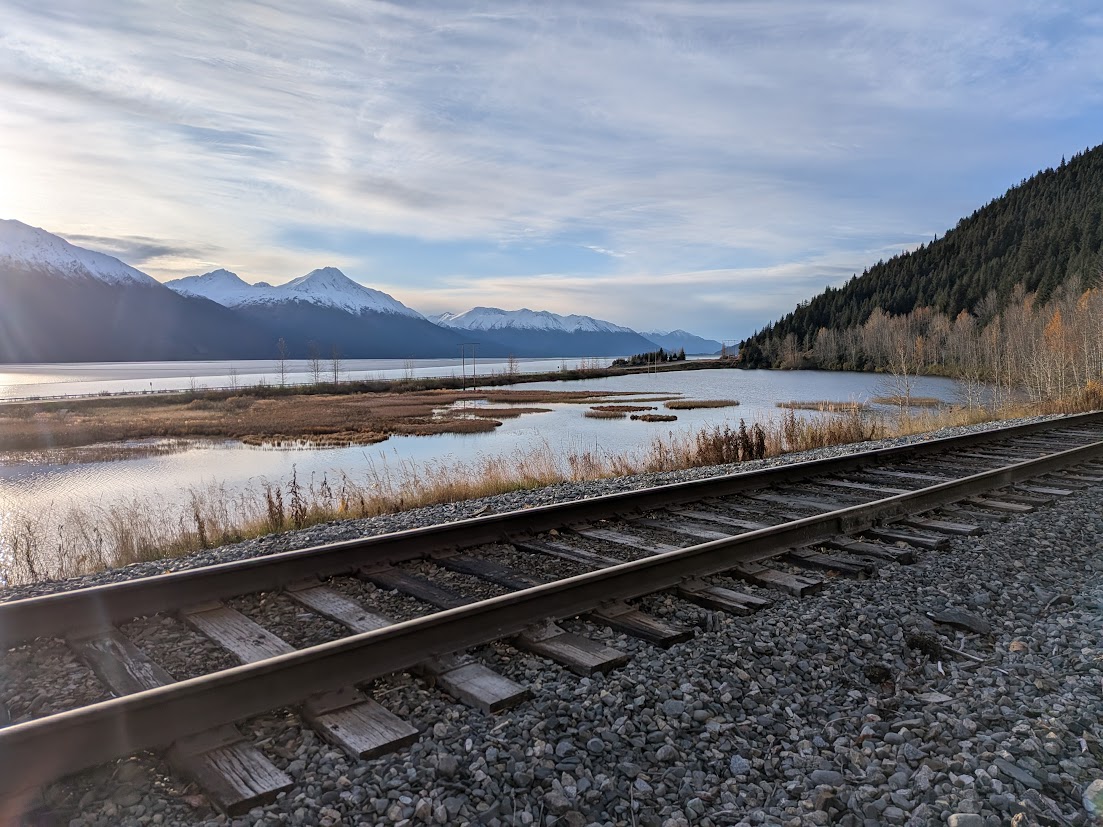
The Alaska Railroad operates 656 miles of track, including over 470 miles along the mainline between Seward and Fairbanks. This corridor passes through rugged terrain, steep slopes, and active slide zones, making slope stability and avalanche risk management critical for safe operations.
The installation site, located approximately 40 miles southeast of Anchorage, lies within a known slide-prone area where steep slopes, heavy snowfall, and seasonal meltwater present ongoing risks to rail operations. While passenger services in this area are mainly seasonal, the line remains vital for year-round freight. Historically, this corridor shaped Alaska’s development: Fairbanks grew from gold-mining origins, Anchorage emerged to support railway construction, and freight still flows to ports in Seward and Whittier.
Maintaining safe and reliable rail operations through winter conditions requires dependable, real-time insight into slope stability and snow-related hazards.
Avalanche detection and monitoring in this region
Steep, complex terrain combined with heavy snowfall makes this region highly prone to avalanches, creating a critical need for reliable detection and monitoring.
Matt McKee, ARRC’s Avalanche Program Manager already uses a variety of monitoring systems, including radar, optical technologies, and remote cameras. While these tools offer visibility of large-scale activity, the railway required a technology capable of detecting sudden landslips or avalanche movement, to provide near-instant notification of events that could impact the rail track and put trains at risk of derailment.
This is where Senceive’s wireless InfraGuard system, using NanoMacro Triaxial Tilt Sensors and the FlatMesh intelligent wireless communications platform, adds a crucial new layer of insight.
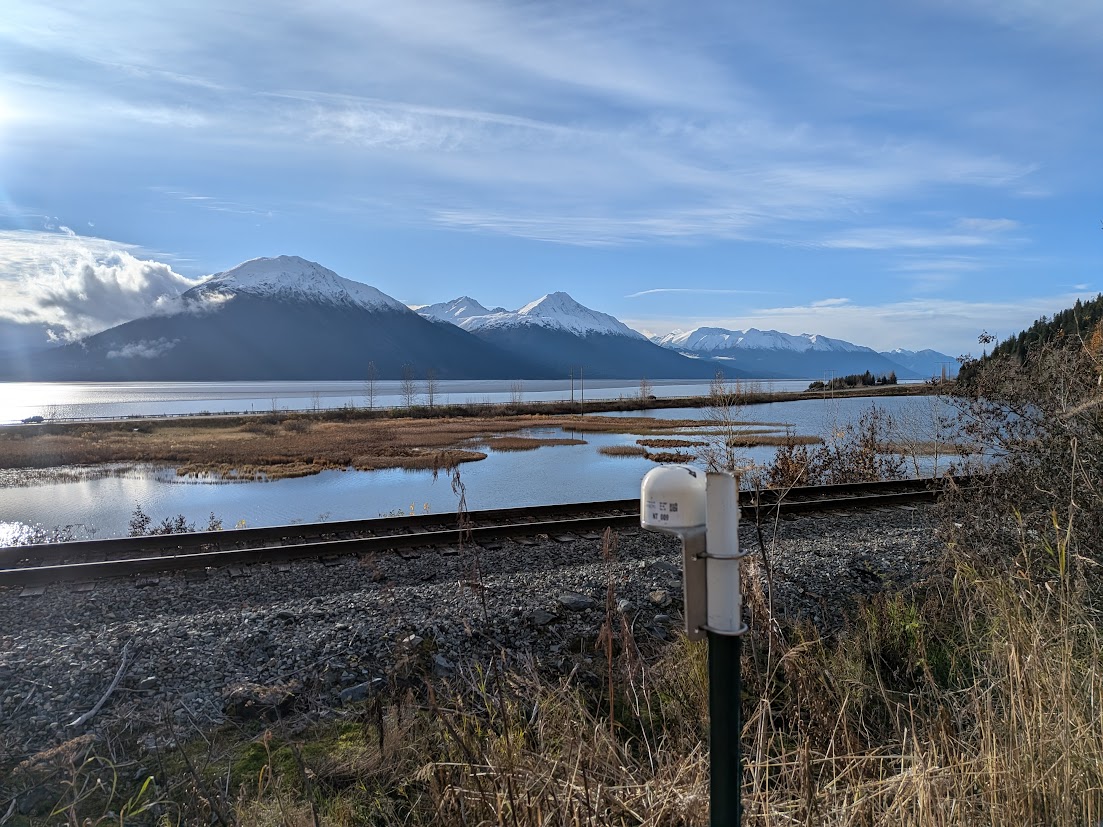
Deploying tilt sensors for slope stability and avalanche monitoring
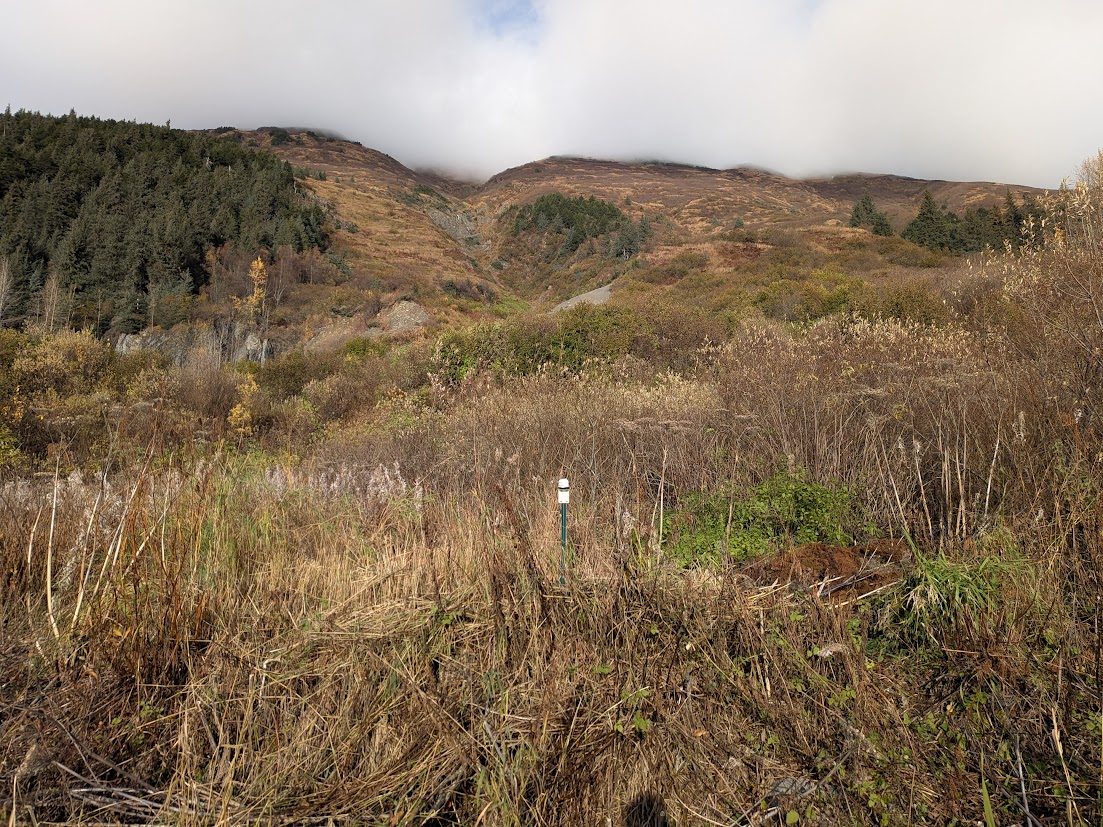
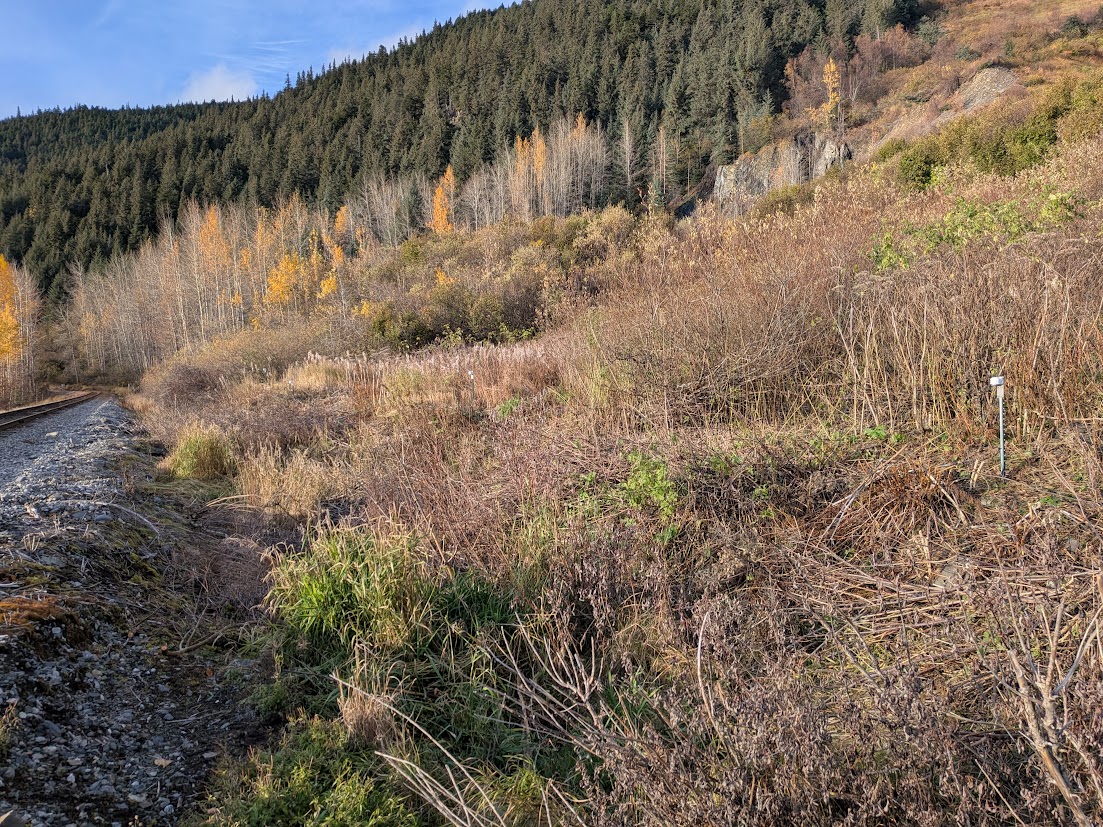
In this first phase, the team installed nine Senceive NanoMacro Triaxial Tilt Sensors in a single row aligned with track level elevation, focusing on an area exposed to frequent avalanche events. This initial installation prioritised the highest-risk zone.
Each sensor, mounted on a stake, measures minute rotational movements that can indicate slope movement and sense avalanche debris impact.
Tilt sensors are used across a wide range of applications and can be used to measure:
- Early slope movement
- Snowpack loading and consolidation
- Subtle deformations linked to freeze/thaw cycles
- Ground shifts triggered by seismic activity
- Sudden avalanches
At this installation site, for this application ARRC used these capabilities to indicate avalanche debris flow movement that endangers train movement.
How the InfraGuard Technology Works
This InfraGuard system reports at set intervals (chosen by the user) but can also “wake up” if triggered by movement and will send non-scheduled, graded alerts to warn stakeholders of possible slope failures. These near real-time insights will reinforce slope stability assessments all year round and will support more accurate avalanche monitoring across the winter season.
Because the site has good cellular signal, data are transmitted via a nearby FlatMesh Gateway. All data feeds into WebMonitor, a data viewing platform allowing engineers to track trends and receive alerts even during storms. For areas where cellular connectivity is not reliable, Senceive has a Starlink Gateway Sat Comms option.
Benefits of InfraGuard for avalanche and rockfall detection
The same InfraGuard system can also be used for rockfall detection, often in combination with catchfences. In these installations, the system is triggered by a sudden impact on a fence or posts, or by rotation of the posts themselves.
When an event occurs, all connected sensors automatically wake up to take readings, and often Senceive intelligent FlatMesh cameras are integrated wake up and capture high-quality images of the event.
Whether monitoring snow-loaded slopes or rockfall-prone areas, the InfraGuard system provides:
- Near real-time event detection: Sudden events are captured instantly, without relying on pre-set sampling intervals.
- Long battery life: Wireless sensor nodes require minimal maintenance over their ~10-year lifespan.
- High-quality camera images when a Senceive CameraHub is integrated – Clear imagery day or night helps reduce false alerts.
- Sensor redundancy: The use of multiple sensors ensures reliable performance even if one fails.
- Immediate alerts: Instant notifications via email or SMS enable rapid response.
- Solar powered: Operates independently of external power sources for flexible deployment at remote sites.
- Dynamic sampling/reporting: Automatically adjusts rates based on movement severity, optimising data collection.
Supporting safe winter rail operations in Alaska
InfraGuard and the Senceive's FlatMesh wireless platform offer an additional layer of real-time detection as a complement to current monitoring technology. ARRC maintains an ongoing commitment to improve technologies and outcomes, seeking ways to allow engineers to respond faster to sudden avalanche events, improve situational awareness across high-risk slopes, and strengthen safety and reliability for both passenger and freight operations throughout the year.